
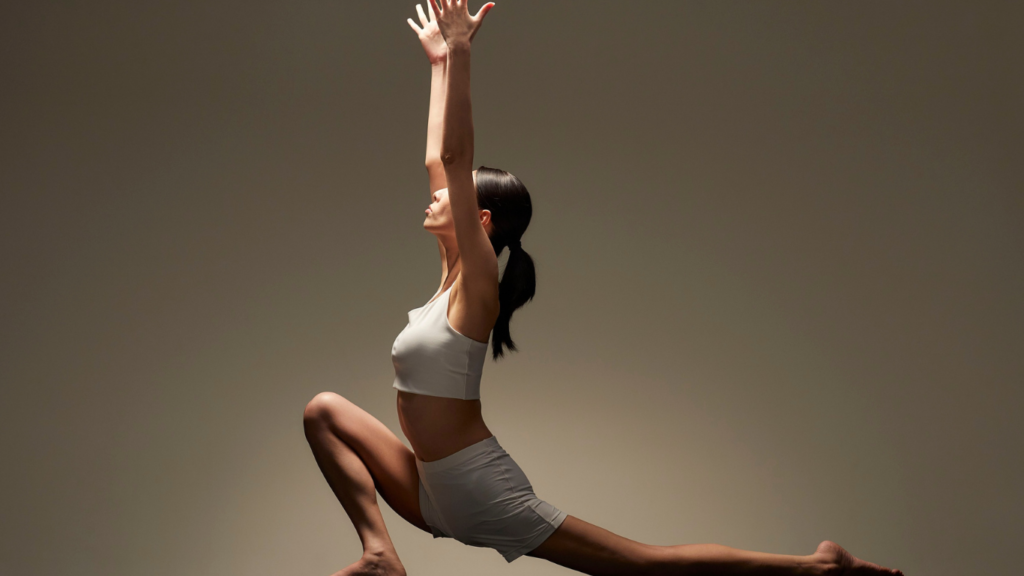
Simple yoga poses for beginners
Start your yoga journey with easy and gentle poses
that help improve flexibility, balance, relaxation,
and overall well-being.
Nowadays, our busy lifestyle can make both our body and mind feel tired. Yoga is a simple activity that helps move your body, improve flexibility and balance, and relax your mind. The best part is that beginners do not need expensive equipment or a gym membership to start yoga. You can easily practice at home in a comfortable space and begin slowly.
If you have never tried yoga before, there is no need to start with difficult poses. You can begin with simple poses that are easy to learn. The goal of beginner yoga is not to force your body. Instead, it focuses on gentle movements, comfortable stretching, and proper breathing.
What Should You Do Before Starting Yoga? 🧘
Before you start yoga, keep these simple tips in mind:
- Choose a clean and comfortable place.
- Use a yoga mat if you have one.
- Wear comfortable clothes that allow you to move easily.
- Do not practice yoga right after eating.
- Do each pose only as far as you feel comfortable.
- Breathe normally and do not hold your breath.
Important: If you feel pain, dizziness, or any unusual discomfort during a pose, stop immediately. If you have an injury or any health condition, talk to a trusted adult or a healthcare professional before starting yoga.
1. Mountain Pose (Tadasana) 🧘
Mountain Pose is one of the easiest yoga poses for beginners. It helps you stand correctly and improves your body posture.
How to Do It
- Stand with your feet about hip-width apart.
- Keep your shoulders relaxed.
- Keep your head and back straight.
- Let your arms rest by your sides.
- Breathe slowly and normally.
Hold this pose for 20–30 seconds or as long as you feel comfortable.
Benefits
✔ Improves your posture.
✔ Helps improve balance.
✔ Prepares your body for other yoga poses.
✔ Increases body awareness.
2. Child’s Pose (Balasana) 🌿
Child’s Pose is a gentle resting pose that is perfect for beginners. It helps your body and mind relax.
How to Do It
- Kneel down on the floor.
- Slowly bend your upper body forward.
- Rest your forehead on the mat or floor.
- Stretch your arms in front of you or keep them relaxed by your sides.
- Breathe slowly and deeply.
Stay in this pose for as long as you feel comfortable.
Benefits
✔ Helps your body relax.
✔ Gently stretches your back and hips.
✔ A great pose to rest between yoga exercises.
✔ Helps reduce stress.
3. Cat-Cow Stretch 🐈🐄
The Cat-Cow Stretch is a simple movement that helps keep your spine flexible.
How to Do It
- Get on your hands and knees.
- As you breathe in, gently lift your chest and arch your back.
- As you breathe out, gently round your back and lower your head.
- Repeat these movements slowly.
Benefits
✔ Improves spine movement.
✔ Gently stretches your back and shoulders.
✔ Helps you coordinate your breathing with movement.
✔ Reduces body stiffness.
4. Downward-Facing Dog 🐕
Downward Dog can feel a little difficult at first, so practice it slowly and don’t rush.
How to Do It
- Start on your hands and knees.
- Slowly lift your hips toward the ceiling.
- Keep your arms straight.
- Relax your head and neck.
- Keep your knees slightly bent if needed.
Don’t worry about making the perfect pose. Focus on staying comfortable.
Benefits
✔ Stretches your legs and shoulders.
✔ Works your whole body.
✔ Improves balance and coordination.
✔ Builds strength over time.
5. Cobra Pose (Bhujangasana) 🐍
Cobra Pose gently stretches the front of your body and supports healthy spine movement.
How to Do It
- Lie on your stomach.
- Place your hands under your shoulders.
- Keep your elbows close to your body.
- Slowly lift your chest.
- Keep your shoulders relaxed.
Only lift your body as high as feels comfortable. Stop if you feel pain or pressure in your lower back.
Benefits
✔ Gently stretches your chest and stomach.
✔ Supports spine flexibility.
✔ Helps improve posture.
6. Tree Pose (Vrikshasana) 🌳
Tree Pose is a simple balance exercise for beginners.
How to Do It
- Stand up straight.
- Place one foot on the lower part of your other leg.
- Hold a wall if you need support.
- Bring your hands together in front of your chest or raise them above your head.
- Repeat on the other side.
Benefits
✔ Improves balance.
✔ Increases focus and concentration.
✔ Strengthens your legs.
✔ Improves body control.
7. Seated Forward Fold 🪷
This is a simple sitting stretch that gently stretches the back of your legs.
How to Do It
- Sit with your legs straight in front of you.
- Keep your back as straight as you comfortably can.
- Slowly bend forward.
- Reach toward your feet or ankles as far as feels comfortable.
You do not need to touch your toes. Just stretch as far as your body allows.
Benefits
✔ Gently stretches your legs and lower back.
✔ Helps your body relax.
✔ Improves flexibility over time.
✔ A great stretch to finish your yoga session.
Tip: Always move slowly during yoga and never force your body into a pose. Regular practice is more important than doing every pose perfectly.
Why Is Breathing Important in Yoga? 🌿
Yoga is not only about poses, but breathing is also an important part of the practice. You should keep your breathing normal and controlled with every movement.
A simple practice:
Breathe in for 4 seconds, then breathe out for 4 seconds. Keep your breathing comfortable and do not hold your breath forcefully. This can help you focus on your movements and feel more relaxed.
15-Minute Yoga Routine for Beginners 🧘
If you are not sure where to start, try this simple yoga routine.
- 2 minutes: Normal breathing + Mountain Pose
- 2 minutes: Cat-Cow Stretch
- 2 minutes: Child’s Pose
- 2 minutes: Downward Dog
- 2 minutes: Cobra Pose
- 2 minutes: Tree Pose
- 3 minutes: Sit comfortably and practice slow breathing
You can start with a shorter time if you want. The most important thing is to stay consistent and practice at your own comfort level.
Common Mistakes Beginners Should Avoid ❌
❌ Comparing your flexibility with other people.
❌ Forcing your body into a pose.
❌ Holding your breath.
❌ Skipping your warm-up or gentle stretches.
❌ Continuing yoga even if you feel pain.
❌ Doing a very long yoga session on your first day.
In yoga, safe and comfortable movement is more important than doing the perfect pose.
How to Make Yoga Part of Your Daily Routine 🌿
You can easily include yoga in your daily life.
🌅 Morning: Do 10–15 minutes of gentle yoga.
💻 During Study or Work Breaks: Do 5 minutes of simple stretching.
🌇 Evening: Practice relaxing yoga poses and breathing exercises.
🌙 Before Bed: Do some gentle stretches to help your body relax.
You don’t need to practice for a long time every day. Even a short session can help you build a healthy habit.
Quick Action Steps 🚀
Starting today:
✅ Choose a comfortable place.
✅ Start with 5–10 minutes of yoga.
✅ Try Mountain Pose and Child’s Pose.
✅ Focus on your breathing.
✅ Move slowly during every pose.
✅ Stop if you feel any pain.
✅ Slowly increase your practice to 15–20 minutes as you become more comfortable.
How to Reduce Stress Naturally: Simple, healthy ways to relax your mind and feel better every day.